Concrete Sealing Clarksville TN – Protect Against Freeze-Thaw
Seal driveways, patios, stamped concrete, and floors to protect against freeze-thaw damage, spalling, stains, and water – keeping your concrete looking new across Clarksville, Sango, St. Bethlehem, Rossview, Fort Campbell and all of Montgomery County
Concrete Sealing in Clarksville, TN
Concrete sealing in Clarksville, TN is the single most cost-effective thing you can do to make concrete last. A good sealer keeps water out of the slab, and water is what does the damage here – it freezes and expands in winter, popping the surface off in a process called spalling, and it carries stains and encourages mold. Sealing driveways, patios, stamped concrete, garage floors, and walkways protects them from freeze-thaw damage, de-icing salt, oil, and stains, and keeps colored and stamped surfaces looking new. Our Tennessee climate – wet, with a winter that swings above and below freezing again and again – is exactly the climate that makes sealing worth it. Elite Concrete Clarksville seals residential and commercial concrete across the city and county, choosing the right sealer for each surface and resealing on a schedule that fits our weather. To protect your concrete, call (931) 271-9471 for a free quote.
If you own concrete in Clarksville, read on – sealing is how you protect it.
Why Sealing Matters in the Tennessee Climate
Concrete looks solid, but it is full of tiny pores that soak up water like a sponge. In our climate that is a problem, and sealing is the fix. Here is what sealing protects against.
Freeze-thaw and spalling
Clarksville winters cross the freezing line over and over. Water that has soaked into unsealed concrete freezes, expands, and thaws again – and each cycle stresses the surface until it flakes and pops off. That flaking is spalling, and it is the most common concrete damage we see here. A sealer keeps water from soaking in, so the freeze-thaw cycle has far less to work on.
De-icing salt
De-icing salt makes spalling far worse by driving more freeze-thaw cycles and chemically attacking the surface. We always tell customers not to use salt on concrete, but a sealer adds a layer of protection for the times salt gets tracked on from the road or a neighbor uses it.
Stains, oil, and mold
Sealed concrete resists oil, grease, rust, leaf tannins, and other stains that soak into bare concrete and will not come out. It also gives mold and mildew less to grip in our humidity, so the surface stays cleaner and is easier to wash. On a bare slab those same stains and organic growth work their way into the pores and become permanent; on a sealed slab they sit on top and rinse away. The best time to seal is before the first winter and before stains have a chance to set, but any clean, dry, sound slab can be sealed. Call (931) 271-9471 to protect your slab before winter.
Driveway Sealing in Clarksville
Driveways are the concrete most worth sealing – they are large, exposed to weather and traffic, catch oil drips and road salt, and cost the most to replace. Sealing a driveway is cheap insurance against spalling and stains. Here is what it does.
Blocks freeze-thaw damage.
Keeps water out of the slab so freeze-thaw has far less to work on – the top cause of driveway surface failure here.
Resists automotive stains.
Repels oil, grease, and rust drips that permanently stain bare concrete, and makes the ones that land easier to clean up.
Guards against salt.
Adds a layer of protection against tracked-on road salt and the extra freeze-thaw cycles it drives.
Keeps it looking new.
Keeps the surface and any color looking newer for longer, and can add a subtle sheen if you want one.
A new driveway should be sealed once it has fully cured, and an existing one can be sealed any time it is clean and dry. The math is simple: resealing a driveway every few years costs a small fraction of resurfacing or replacing a spalled one, and it keeps the surface looking new the whole time. If your driveway is already flaking, we can assess whether it needs resurfacing before sealing, so you are not sealing over a failing surface. Pair sealing with our concrete driveways service for a surface built and protected to last. Call (931) 271-9471 for a driveway sealing quote.
How Often Should You Seal Concrete?
As a general rule, reseal exterior concrete in Clarksville every 2 to 3 years, though it depends on the sealer, the surface, and how much traffic and weather it takes. Sealing is not one-and-done – the protective layer wears, and resealing on schedule is what keeps the protection working. Here is a practical guide.
A simple test: sprinkle water on the concrete. If it beads up, the sealer is still working; if it soaks in and darkens the concrete, it is time to reseal. Stamped and colored concrete especially benefits from staying sealed, because the sealer protects the color. Letting a sealer lapse for years is how spalling and stains get a foothold, so a modest reseal on schedule is far cheaper than repairing the damage a worn sealer would have prevented. We can set you up on a resealing schedule so it never lapses. Call (931) 271-9471.
Driveway
Every 2 – 3 years
Heavy traffic, weather, and salt exposurePatio / walkway
Every 2 – 3 years
Weather exposure; less traffic wearStamped / decorative
Every 2 – 3 years
Sealer protects color and patternGarage floor
Less often (indoor)
Protected from weather; reseal as it wearsPool deck
Every 2 – 3 years
Water, chlorine, and sun exposure| Surface | Typical Reseal Interval | Notes |
|---|---|---|
| Driveway | Every 2 – 3 years | Heavy traffic, weather, and salt exposure |
| Patio / walkway | Every 2 – 3 years | Weather exposure; less traffic wear |
| Stamped / decorative | Every 2 – 3 years | Sealer protects color and pattern |
| Garage floor | Less often (indoor) | Protected from weather; reseal as it wears |
| Pool deck | Every 2 – 3 years | Water, chlorine, and sun exposure |
Penetrating vs. Acrylic Sealers
Concrete sealers fall into two broad families, and the right one depends on the surface and the look you want. The short version: penetrating sealers soak in and protect invisibly, while film-forming sealers like acrylics sit on top and add sheen. Here is the honest comparison.
For a plain driveway where the goal is maximum freeze-thaw protection with a natural look, a penetrating sealer is usually best. For stamped or colored concrete where you want the color to pop and a subtle sheen, an acrylic or decorative sealer is the right call – we add an anti-slip additive so it is not slick when wet. We match the sealer to your surface and goals. Call (931) 271-9471.
Penetrating (silane/siloxane)
- How it worksSoaks in, protects from within
- LookNatural, invisible – no sheen
- Best forDriveways, freeze-thaw protection
- SlipNo change to traction
- Enhances color?No
- ResealLong-lasting, less frequent
Acrylic / film-forming
- How it worksForms a protective film on top
- LookAdds sheen, wet look, or gloss
- Best forStamped, colored, decorative concrete
- SlipCan be slick; add anti-slip additive
- Enhances color?Yes – deepens color and pattern
- ResealMore frequent; wears from the top
| Factor | Penetrating (silane/siloxane) | Acrylic / film-forming |
|---|---|---|
| How it works | Soaks in, protects from within | Forms a protective film on top |
| Look | Natural, invisible – no sheen | Adds sheen, wet look, or gloss |
| Best for | Driveways, freeze-thaw protection | Stamped, colored, decorative concrete |
| Slip | No change to traction | Can be slick; add anti-slip additive |
| Enhances color? | No | Yes – deepens color and pattern |
| Reseal | Long-lasting, less frequent | More frequent; wears from the top |
The Best Concrete Sealer for the Tennessee Climate
The best concrete sealer for Tennessee is one that blocks water to fight freeze-thaw – and for most exterior slabs here that means a quality penetrating silane or siloxane sealer, because it protects deep in the concrete without a film that can peel. For decorative surfaces, a breathable acrylic that protects while showing off color is the better fit. The single most important factor in our climate is water repellency, since water and freeze-thaw are what damage concrete here.
There is no one-size-fits-all answer, which is why we choose the sealer per surface: penetrating sealers for driveways and high-exposure flatwork, decorative acrylics for stamped and colored concrete, and specialized products for garage floors and pool decks. What matters as much as the product is applying it correctly – clean, dry concrete, the right number of coats, and proper cure time. A great sealer applied poorly does not protect. Call (931) 271-9471 and we will recommend and apply the right sealer for your concrete.
Does Sealing Prevent Cracks?
Sealing does not stop concrete from cracking, but it prevents a lot of the water-driven damage that makes cracks and surface failure worse. It is important to be honest about what a sealer can and cannot do.
What sealing does not do
A sealer is not structural. It will not stop cracks caused by ground movement, a poor base, or missing control joints – those come from what is under and within the slab, not the surface. Anyone who tells you sealing alone prevents all cracking is overselling it.
What sealing does do
By keeping water out, sealing prevents freeze-thaw spalling, surface scaling, and the crack-widening that happens when water gets into a small crack, freezes, and pries it open. So while it does not prevent cracks from forming structurally, it dramatically slows the water damage that turns small issues into big ones – and keeps stains and salt out. Think of sealing as protecting the surface and preventing water damage, and proper base prep, thickness, and control joints as preventing structural cracks – you want both. For actual crack repair and prevention through proper jointing, see our concrete repair page. Call (931) 271-9471.
Benefits of Sealing Your Concrete
Sealing is a small investment that protects a large one – the slab itself. Here is what a properly applied sealer delivers for concrete in our climate.
Fights freeze-thaw damage.
By blocking the water that freezes and expands, sealing is the best defense against the spalling and surface scaling that ruins Clarksville driveways and patios.
Resists stains and salt.
Oil, grease, rust, leaf tannins, and de-icing salt sit on top of a sealed surface instead of soaking in, so they wipe or rinse away before they stain.
Preserves the look.
A sealer keeps colored, stamped, and exposed-aggregate concrete vivid and protects it from fading and wear, which is why decorative work should always stay sealed.
Easier to clean.
Sealed concrete sheds dirt and cleans up with a rinse or a mop instead of scrubbing, and it resists the mold and mildew that grow on damp, porous slabs.
Extends slab life.
Protecting concrete from water and freeze-thaw adds years to its usable life, so you replace it far less often – the cheapest concrete is the slab you do not have to redo.
For a modest cost every few years, sealing pays for itself many times over in damage you never have to repair. Call (931) 271-9471 to protect your concrete.
What We Seal
If it is concrete and exposed to water, weather, or stains, sealing protects it. The most common projects around Clarksville:
Driveways.
The most valuable slab to protect from freeze-thaw, salt, and oil stains.
Patios & walkways.
Keep patios and walkways clean, stain-free, and protected from weather.
Stamped & colored concrete.
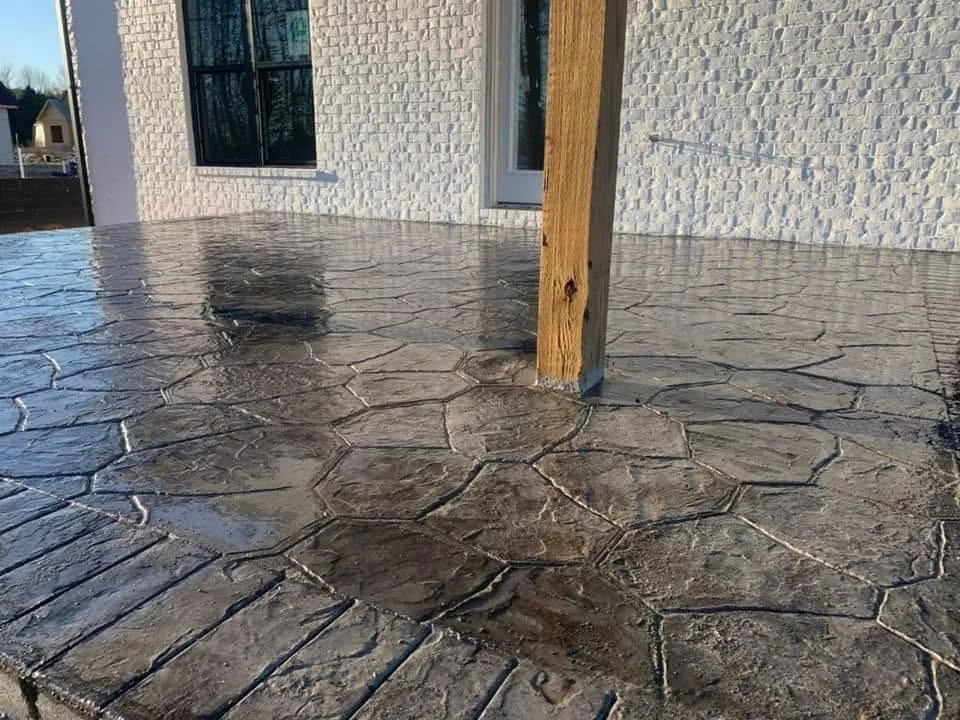
Protect the color and pattern and keep the decorative finish looking new – stamped concrete should always stay sealed.
Garage floors.
Resist oil, chemicals, and hot-tire pickup, and make the floor easier to clean.
Pool decks.
Protect against water, chlorine, and sun, with an anti-slip additive for safety.
Commercial concrete.
Protect retail, warehouse, and commercial flatwork from traffic, stains, and weather.
New or existing, residential or commercial, we seal it with the right product and proper prep. Newly poured concrete should be sealed once it has fully cured, and older concrete can be sealed as soon as it is clean, dry, and sound. Call (931) 271-9471 for a free assessment.
Concrete Sealing Cost in Clarksville, TN
Concrete sealing in Clarksville typically costs $1 to $3 per square foot in 2026, depending on the sealer, the surface, and how much cleaning and prep the concrete needs. It is one of the lowest-cost, highest-return things you can do for concrete – a small fraction of what spalling repair or replacement costs later. Here is a plain-English breakdown.
| Sealing Work | Typical Clarksville Range (2026) | Notes |
|---|---|---|
| Penetrating sealer (driveways/flatwork) | $1 – $2.50 / sq ft | Natural look, freeze-thaw protection |
| Acrylic / decorative sealer | $1.50 – $3 / sq ft | Sheen, color enhancement, stamped |
| Stamped concrete resealing | $1.50 – $3 / sq ft | Protects color and pattern |
| Cleaning / prep before sealing | Added to quote | Needed for the sealer to bond |
| Spalling repair (for comparison) | Much higher | The cost of NOT sealing in time |
Prep drives the price – a slab that needs cleaning, stripping of old sealer, or stain treatment costs more than a clean, dry one. Even so, sealing is cheap next to the freeze-thaw repair it prevents. For full pricing across every service, see our concrete cost hub . The number that matters is the firm written quote we give you before any work. Call (931) 271-9471.
Our Concrete Sealing Process
A sealer only protects if the concrete is clean, dry, and the product is applied right. Here is exactly how we work.
1. Free on-site quote
We assess the surface, check for old sealer and stains, recommend the right product, and give a written quote.
2. Clean & prep
We clean the concrete thoroughly – pressure washing, degreasing, and treating stains – and strip failed old sealer so the new sealer bonds.
3. Dry & repair
We let the slab dry fully, because sealing damp concrete traps moisture and causes failure, and we address minor surface issues first.
4. Apply the sealer
We apply the right sealer at the correct coverage and number of coats – penetrating, acrylic, or decorative – with an anti-slip additive where needed.
5. Cure & protect
We let the sealer cure fully before returning the surface to use, and give you simple care and resealing guidance.
Cure and return-to-use times vary by product; we give you exact timelines with your quote.
Why Clarksville Chooses Us for Sealing
Sealing looks simple, but the product choice, prep, and application decide whether it protects for years or fails in months. Here is what you get with us.
We choose the right sealer
Penetrating for driveways and freeze-thaw protection, decorative acrylic for stamped and colored concrete, specialized products for floors and decks – we match the sealer to the surface instead of using one product for everything.
We prep properly
We clean, strip old sealer, treat stains, and let the slab dry before sealing. Sealing over dirt or damp concrete is why DIY sealing jobs fail, and it is exactly what we avoid.
We know the local climate
We seal for Clarksville freeze-thaw and humidity, and we set you up on a resealing schedule so the protection never lapses. This is our climate and we seal for it.
Call to Discuss Your Project
Call (931) 271-9471 to discuss your concrete project, location, and timing. The person who seals your concrete is accountable for how it protects.
Keeping Sealed Concrete Protected
Sealed concrete is easy to look after, and a few habits keep the protection working.
Clean regularly.
Sweep and rinse regularly, and wipe spills before they sit. Sealed concrete cleans easily, so upkeep is minimal.
Test yearly.
Do the water-bead test each year – if water soaks in instead of beading, it is time to reseal. Do not wait for visible damage.
No de-icing salt.
Never use de-icing salt on concrete, sealed or not. Sealer helps, but salt still drives freeze-thaw. Use sand for winter traction.
Manage drainage.
Keep water draining away from the slab so the sealer is not fighting standing water and runoff constantly.
Reseal on schedule and sealed concrete stays protected and looking new for years. Call (931) 271-9471 when it is time to reseal.
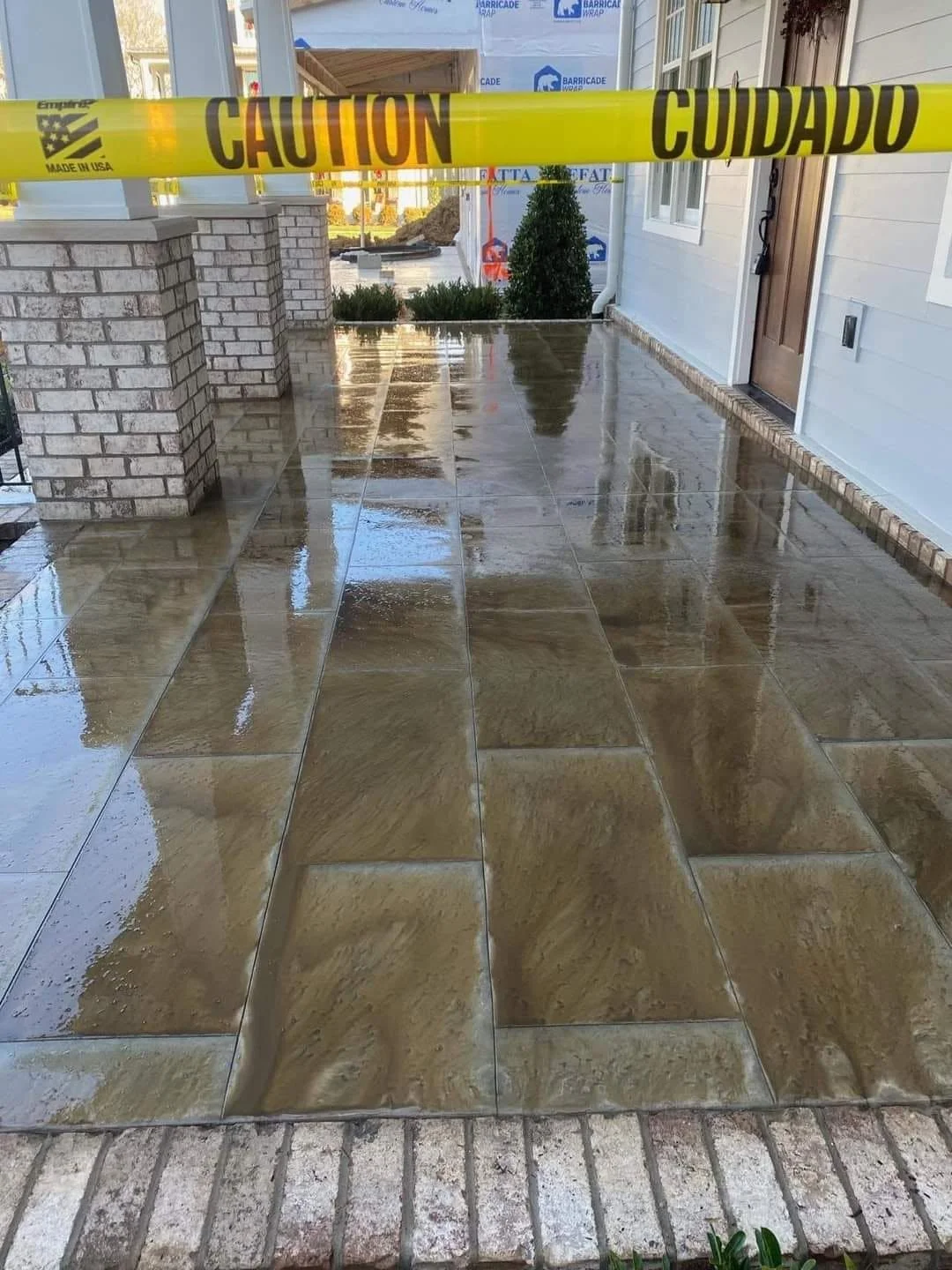
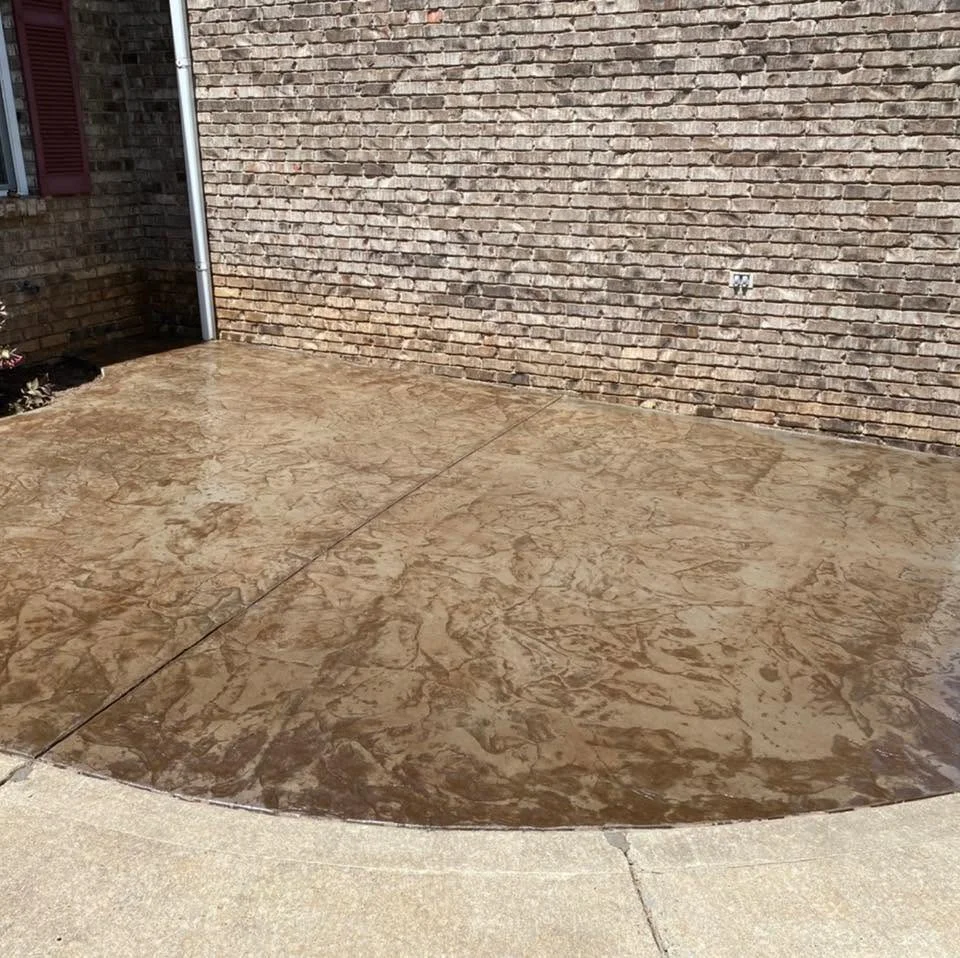
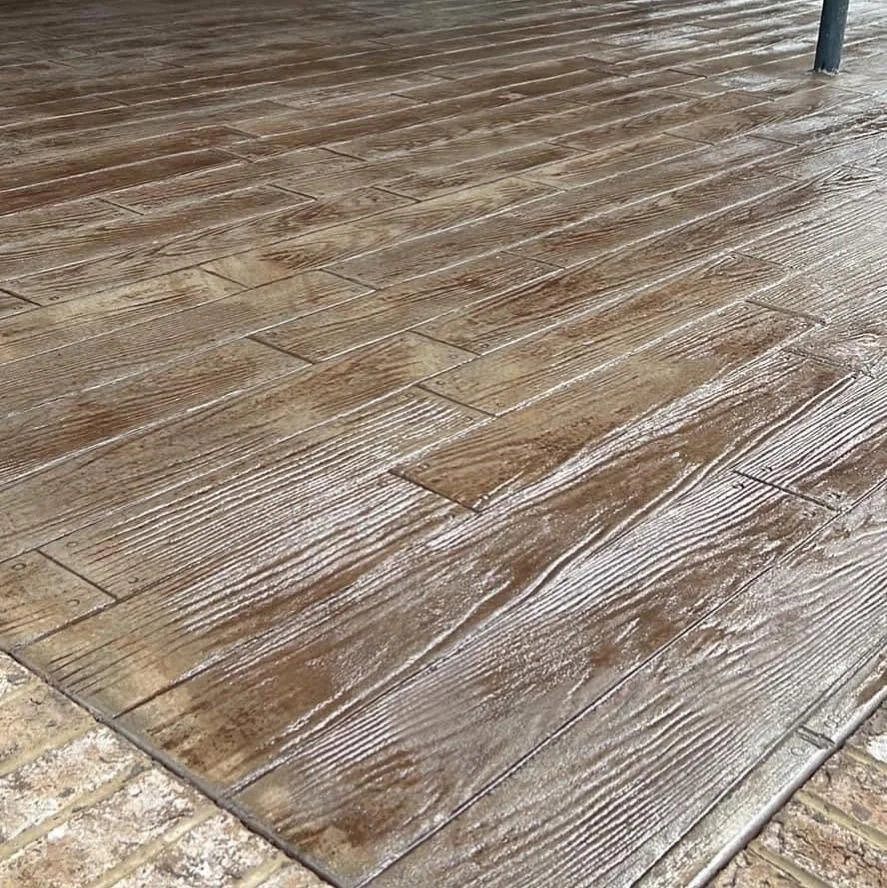
Concrete Sealing Project Gallery
 Project photo
 Project photo
 Project photo
 Project photo
Concrete Sealing Across Clarksville & Montgomery County
We seal concrete throughout Clarksville and all of Montgomery County, TN – every ZIP code including 37040, 37042, 37043, and the 37044 Austin Peay State University area. We work in Sango and Rossview, St. Bethlehem and the Governor’s Square / Exit 4 corridor, downtown, and out to Oak Grove and Fort Campbell. From a single driveway to a full commercial property, we seal it with the right product for our climate. Call (931) 271-9471 to schedule.
Concrete Sealing in Clarksville, TN – Frequently Asked Questions
How much does concrete sealing cost in Clarksville, TN?
Concrete sealing in Clarksville typically costs $1 to $3 per square foot in 2026, depending on the sealer, the surface, and how much cleaning and prep the concrete needs. Penetrating sealers for driveways run about $1 to $2.50, and decorative acrylic sealers for stamped concrete run about $1.50 to $3. It is far cheaper than the spalling repair it prevents. We give a firm written quote first.
How often should I reseal my concrete?
As a general rule, reseal exterior concrete in Clarksville every 2 to 3 years, though it depends on the sealer, traffic, and exposure. A simple test: sprinkle water on the surface – if it beads up the sealer is working, and if it soaks in and darkens the concrete, it is time to reseal. Stamped and colored concrete especially benefits from staying sealed.
What is the best concrete sealer for the Tennessee climate?
For most exterior slabs here, a quality penetrating silane or siloxane sealer is best, because it blocks water to fight freeze-thaw without a film that can peel. For stamped or colored concrete, a breathable decorative acrylic protects while enhancing color. The key factor in our climate is water repellency, since water and freeze-thaw are what damage concrete here.
What is the difference between penetrating and acrylic sealers?
Penetrating sealers soak into the concrete and protect from within with no change to the look – best for driveways and freeze-thaw protection. Acrylic and film-forming sealers sit on top, add sheen, and enhance color – best for stamped and decorative concrete. Acrylics can be slick when wet, so we add an anti-slip additive. We match the sealer to the surface.
Does sealing concrete prevent cracks?
Sealing does not prevent structural cracks from ground movement or a poor base – a sealer is not structural. What it does do is block water, which prevents freeze-thaw spalling and stops water from getting into small cracks, freezing, and prying them wider. So it dramatically slows water-driven damage, but it is not a substitute for proper jointing and base work.
Should new concrete be sealed?
Yes, once it has fully cured. Sealing new concrete protects it from freeze-thaw, stains, and salt from the start and keeps it looking new. We time the first sealing to the cure and can set you up on a resealing schedule so the protection never lapses.
Get Your Free Concrete Sealing Quote in Clarksville, TN
Sealing is the cheapest, highest-return thing you can do for concrete in our climate – it blocks the water that drives freeze-thaw spalling, stains, and salt damage, and keeps your concrete looking new. The key is the right sealer, proper prep, and resealing on schedule. That is exactly what we do.
Elite Concrete Clarksville seals driveways, patios, stamped concrete, and floors across Clarksville and all of Montgomery County, TN. Free on-site quotes. The right sealer for each surface. Written, firm quotes with no day-of surprises.
Call for a Free Estimate